
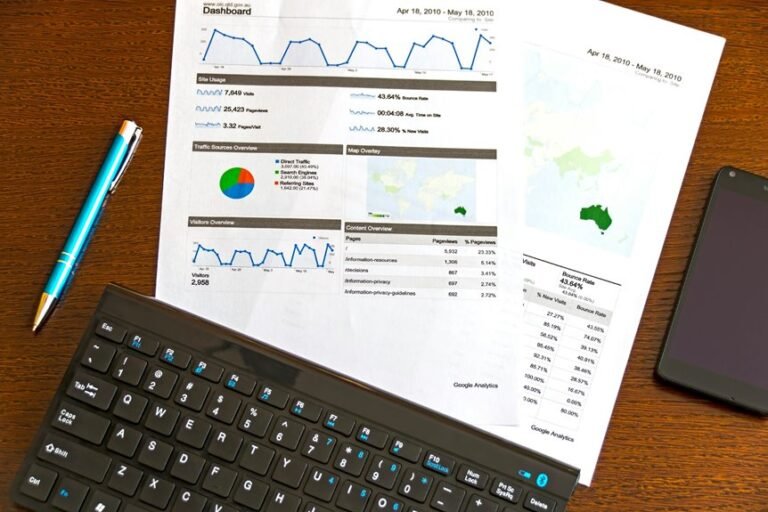
The implementation of a Business Performance Dashboard for the identifiers 2890777707, 8003009674, 954487126, 503122, 4694606710, and 910059075 presents a critical opportunity for enhancing organizational insights. This dashboard can streamline the presentation of key metrics, allowing stakeholders to assess performance efficiently. However, understanding its key features and best practices for implementation is essential for maximizing its potential. The following discussion will explore these aspects in detail.
Importance of a Business Performance Dashboard
The significance of a Business Performance Dashboard lies in its ability to synthesize complex data into actionable insights.
By employing effective data visualization techniques, organizations can monitor performance metrics in real-time, facilitating informed decision-making.
This dashboard empowers stakeholders to identify trends, evaluate operational efficiency, and enhance strategic planning, ultimately fostering a culture of accountability and enabling greater freedom in pursuing business objectives.
Key Features to Look for in a Dashboard
What fundamental elements define an effective Business Performance Dashboard?
Key features include robust data visualization tools that transform complex data into clear, actionable insights.
A user-friendly interface is essential, allowing users to navigate effortlessly and customize their experience.
Additionally, real-time data integration ensures up-to-date information, enabling informed decision-making.
These elements collectively enhance usability and empower users to track performance efficiently.
Benefits of Dashboards for Performance Tracking
Effective Business Performance Dashboards provide significant advantages for performance tracking in organizations.
They enhance data visualization, allowing stakeholders to interpret complex performance metrics swiftly. By consolidating critical information into intuitive displays, dashboards facilitate informed decision-making and promote agility.
This streamlined approach not only improves accountability but also encourages a proactive culture, empowering teams to identify opportunities for growth and operational efficiency.
Implementing a Dashboard: Best Practices
When organizations embark on implementing a business performance dashboard, careful planning and strategic execution are paramount to ensure its success.
Employing effective data visualization techniques enhances clarity and comprehension, while tailored user engagement strategies foster interaction and usability.
Conclusion
In conclusion, a Business Performance Dashboard is indispensable for enhancing operational insight, fostering accountability, and driving strategic growth. By integrating real-time data visualization with key performance metrics, organizations can swiftly identify trends, assess efficiency, and adapt to challenges. Ultimately, the implementation of such a dashboard not only streamlines decision-making processes but also cultivates a culture of proactive improvement, ensuring that stakeholders remain aligned and responsive in an ever-evolving business landscape.