
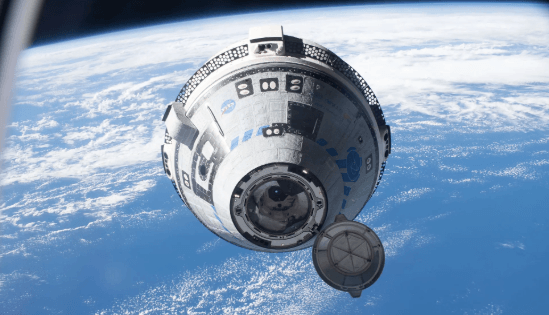
Radiation exposure, crew health, and electronics performance constrain mission design in deep space. Shielding trade-offs, timing relative to solar cycles, and dose limits demand quantitative risk assessment. Life support must operate with high reliability amid isolation, with metrics for sleep, nutrition, and supply chain resilience. Autonomous systems require fault tolerance and delay-tolerant navigation. Integrating these factors highlights material, thermal, and dust control challenges, leaving an empirical gap that compels further validation under simulated deep-space conditions.
How Radiation Challenges Shape Deep Space Missions
Radiation exposure is a fundamental constraint shaping deep space missions, as charged particles from solar and galactic sources interact with spacecraft materials and biological tissues in ways that directly impact crew health, electronics reliability, and mission duration.
Quantitative models assess dose, shielding effectiveness, and damage rates, with radiation shielding optimizing mass efficiency, while cosmic ray modulation protocols adjust exposure through mission timing and trajectory choices.
Sustaining Life Support and Human Health in Isolation
Quantitative metrics define failure modes, recovery times, and redundancy musts.
Empirical verification links system performance to psychological buffers, sleep quality, and nutrition.
Findings emphasize supply chain robustness and enhanced crew resilience to sustain long-duration missions.
The Logistics of Communication, Navigation, and Autonomy
Results indicate scalable architectures enable timely decision-making, while redundancy eliminates single-point failures, supporting freedom through reliable, objective-driven mission autonomy.
Protecting Equipment: Materials, Dust, and Thermal Management
Protecting equipment in deep-space missions requires a rigorous assessment of materials, dust mitigation, and thermal management strategies. Quantitative analyses compare material durability under radiation, micrometeoroid impact, and thermal cycling. Empirical verifications test dust mitigation efficacy, coating longevity, and sealing integrity. Thermal management performance metrics include heat rejection, insulation, and temperature stability, ensuring reliability and mission continuity in hostile environments.
Frequently Asked Questions
What Drives the Funding Priorities for Deep Space Missions?
Funding priorities are driven by mission drivers, cost-benefit analyses, and national strategy, while ethical considerations constrain risk, equity, and environmental impact; decisions are quantitatively weighed against measurable gains, public interest, and long-term societal freedom and resilience.
How Do Astronauts Cope With Long-Term Psychological Stress?
Astronaut resilience amid long term isolation shows a 20% variance in mood stability; remote psychological support and structured crew dynamics correlate with reduced stress indicators, suggesting measurable benefits from proactive monitoring rather than reactive intervention.
What Are the Ethical Considerations of Alien Planetary Protection?
Ethical considerations of alien planetary protection center on the ethics of contamination and planetary biosafety, quantified by risk assessments, containment efficacy, and verifiable protocols; analyses emphasize transparent governance, proportional safeguards, and freedom-valuing oversight for responsible exploration.
How Is Data Ownership Distributed Between Agencies and Researchers?
Data ownership is distributed among agencies and researchers per formal agreements; data governance frameworks assign access, stewardship, and reuse rights, while metrics track provenance and verifiability. In essence, governance shapes sharing, reuse, and accountability across institutions.
See also: The Role of Technology in Disaster Management
What Future Propulsion Concepts Could Drastically Shorten Journeys?
Antimatter catalysis and propellantless propulsion could dramatically shorten journeys, though empirical verification remains uncertain; quantitative analyses show theoretical gains, yet practical constraints—energy production, shielding, and reliability—limit near-term feasibility for sustained deep-space missions.
Conclusion
In the cold theater of deep space, radiation sketches invisible margins around mission plans, quantifying risk through absorbed dose and shielding efficacy. Life support metrics track sleep, nutrition, and crew resilience like a tightly wired system, each parameter a peg on a performance graph. Communications latency and autonomous controls form a calculable constraint, while materials endure thermal cycles and dust exposure with verifiable fatigue models. The synthesis is empirical: data-driven, risk-bounded, and relentlessly objective in forecasting mission viability.